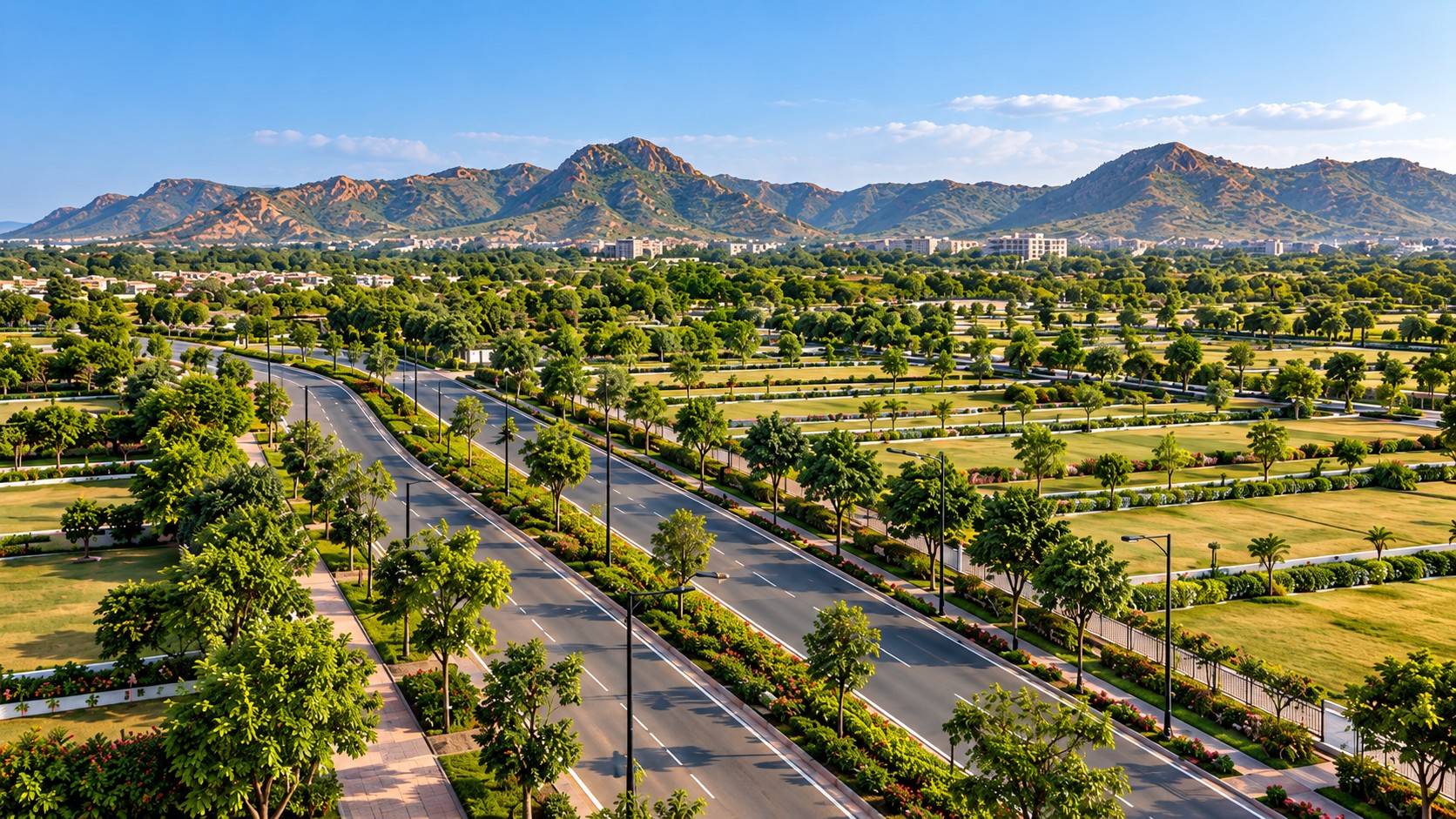
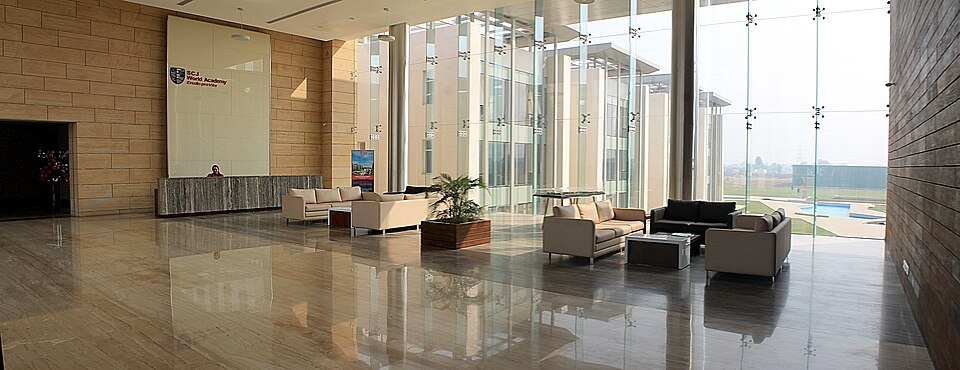
Responsible development is easier to discuss through practical questions than through a broad slogan. Buyers can ask how a site is presented, how everyday use is considered and how current conditions are distinguished from future proposals. These questions do not prove that a project meets a particular standard or approval. They help you understand the approach being described and identify matters requiring independent professional review.
In this guide
Look for clear and accurate communicationAsk how everyday access is consideredInvestigate service planning at the site levelConsider neighbours and the local contextExpect realistic descriptions of future possibilitiesLook for clear and accurate communication
Ask whether the information relates to the exact offered plot and whether images show present conditions, neighbouring development or illustrations. Request dated sources for claims that influence your decision. A useful discussion should make uncertainties visible and provide a route to further clarification. Avoid treating a polished brochure as evidence of every claim within it. Clear communication allows buyers and their advisers to focus on the property details that actually need investigation.
- Ask what each image and claim represents.
- Keep proposals separate from completed work.
Ask how everyday access is considered
Look at how residents, visitors, deliveries and service activity would reach the site. Observe the present route and ask what is proposed where work remains incomplete. Discuss practical issues such as turning, stopping and pedestrian movement with appropriate professionals. Development should be assessed from the user’s perspective as well as through an attractive entrance image. The relevant question is how the exact location could support everyday activity under the conditions that actually exist.
- Inspect the whole approach route.
- Consider different users rather than cars alone.
Investigate service planning at the site level
Ask for clear information about water, power, drainage and other arrangements relevant to the intended use. Find out what exists now, what is proposed and what still needs confirmation. Have technical questions reviewed independently. A broad promise of infrastructure is difficult to evaluate without detail about the specific property. Keep the answer connected to the site and the building you want, and record the assumptions that affect design, construction or your timing.
- Ask who can clarify each service question.
- Use site-specific information in the design brief.
Consider neighbours and the local context
Observe nearby uses and think about how a future home or business would interact with them. Discuss noise, access, service movement and other practical concerns relevant to the activity. Ask designers or advisers how those questions should be assessed. Responsible planning includes understanding the context instead of viewing the plot as an isolated rectangle. Record both advantages and potential conflicts, then use professional advice to determine which observations materially affect your intended use.
- Look beyond the plot boundary during visits.
- Discuss the intended activity in its neighbourhood context.
Expect realistic descriptions of future possibilities
Future development may be relevant to a location, but it should be discussed with source, date and status. Avoid assuming that a proposal guarantees completion, property appreciation or a particular buyer experience. Aadharsheela Field Developers Pvt. Ltd. can be contacted at 9650135961 for current property enquiries. Ask for exact information, arrange a visit and involve your own advisers before deciding. A responsible buyer conversation should leave you with understandable facts, visible uncertainties and a clear next step for the property you are considering.
- Request evidence for important development claims.
- Base the decision on verified information and your own plan.